The Power of Natural Lighting
If you’ve ever taken a picture, you've probably noticed that it looks different from how it does in real life. The color may be faded or too dark to make out anything. These issues typically originate from a lack of lighting. During my most recent freestyle photoshoot, I tried to capture some interesting photos of nature; while I did find some interesting shots, I ran into issues with the lighting. For example, my creek photo, taken in a local park in Southern California, was originally extremely dark, so you couldn’t really tell what the image was. The darkness of the photo was from the lack of lighting and the shutter speed. While I learnt my lesson about tracking the lighting and being more aware of my camera's shutter speed, I was able to fix my photos somewhat. The image you are seeing is the result of Photoshop’s filter of lighting and color grading. Typically, a slightly tweaked image isn’t an issue, but given how drastic the change was, it looked very different from what it actually looked like. Since the lighting was artificial, the final image was the result of Photoshop's assumptions about what the lighting should look like, which ultimately deviated from the actual photo.
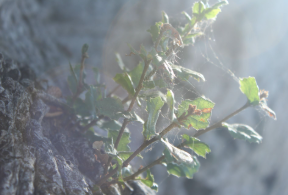
If we look at other photos, like the morning sun hitting the tree, I focused much more on lighting in that image, making sure it had plenty, unlike in my creek photo. This allowed me to use sunlight to create a soft-glow effect. In my opinion, natural lighting is better than artificial lighting, as the final result is more authentic. Artificial lighting creates a synthetic environment, where the expected shadows and textures are missing, as all the light is focused on a single point. If one wants to further their photography skills, I recommend experimenting with lighting and getting comfortable with different lighting levels.
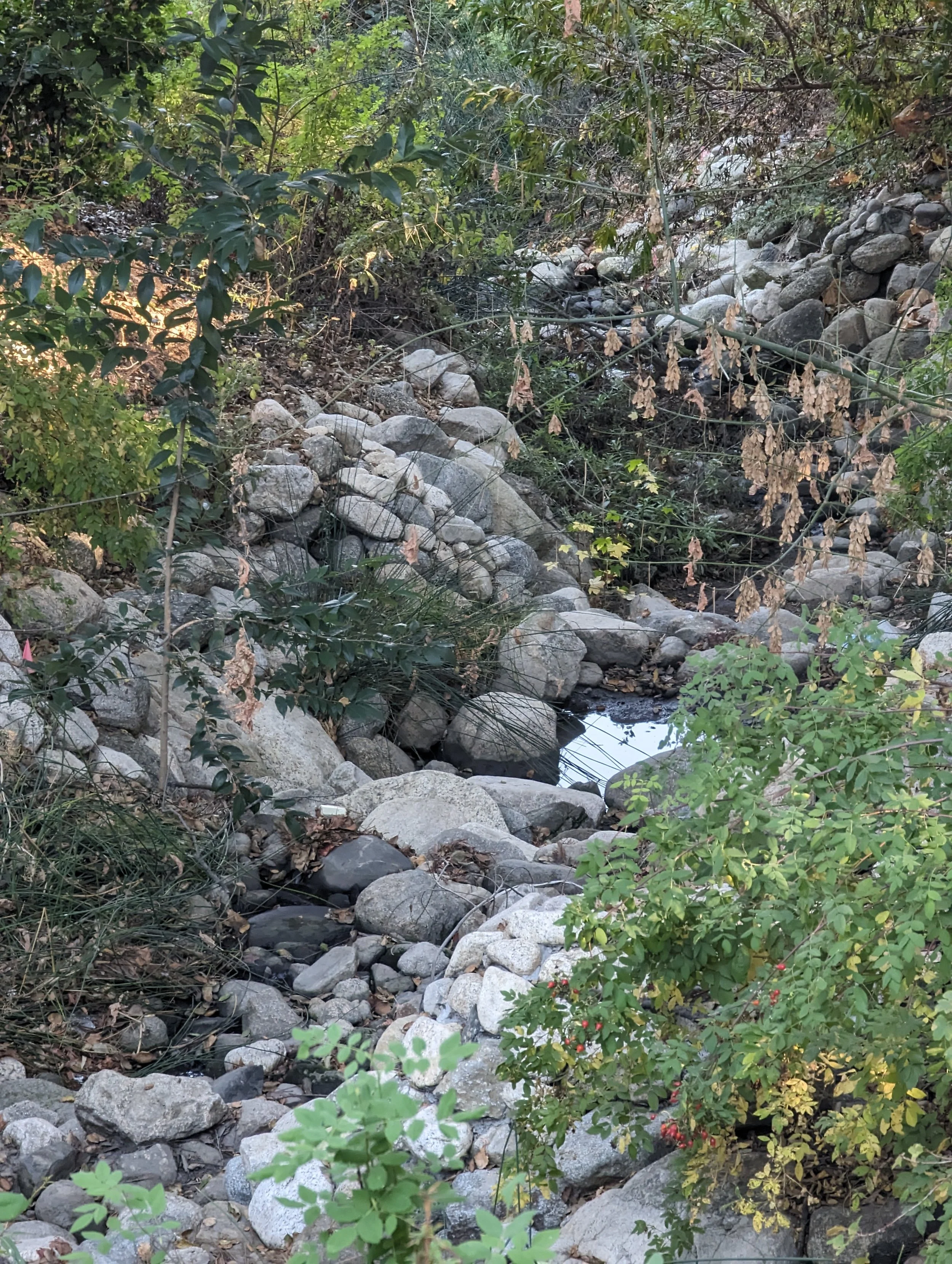
Creek, taken in a local park in Southern California
