Guiding the Eyes
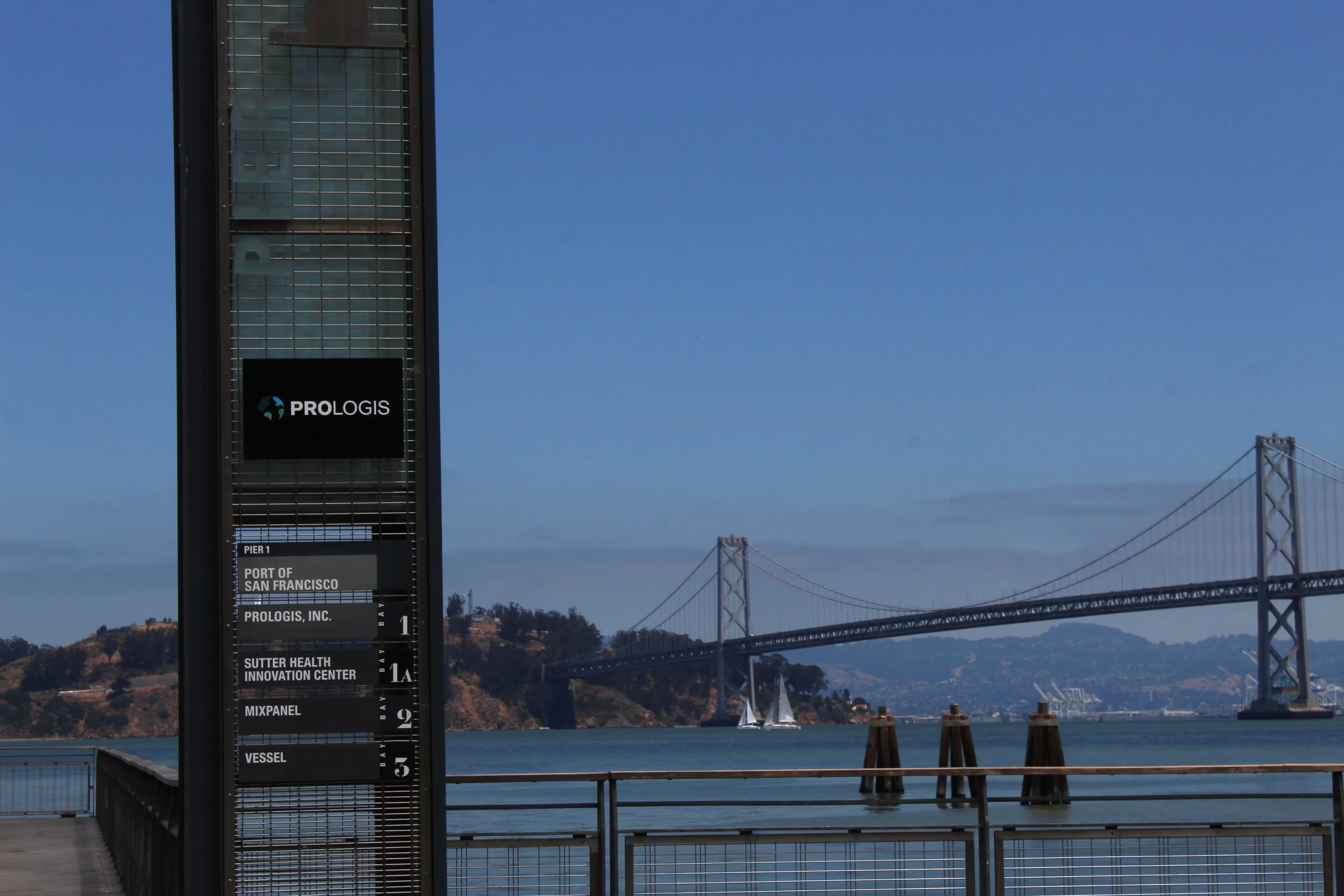
What we notice first in a photograph isn’t random—it’s carefully guided by how the image is composed. Previously, I explored leading lines as both imaginary and explicit lines help guide viewers towards a specific point in the photo. I wanted to explore alternative ways to guide viewers to specific parts of a photo, which is why I focused on framing and the rule of thirds in this photoshoot. For example, in my image of the Palace of Fine Arts (San Francisco, CA), I attempted to use the rule of thirds by placing the building to the left. The issue with this image is that the building itself isn’t actually in one of the thirds; instead, part of it bleeds into the next third. The photo of the Oakland Bridge (also in San Francisco) uses the rule of thirds properly, as the sign on the port draws the viewer’s eye first rather than the bridge.
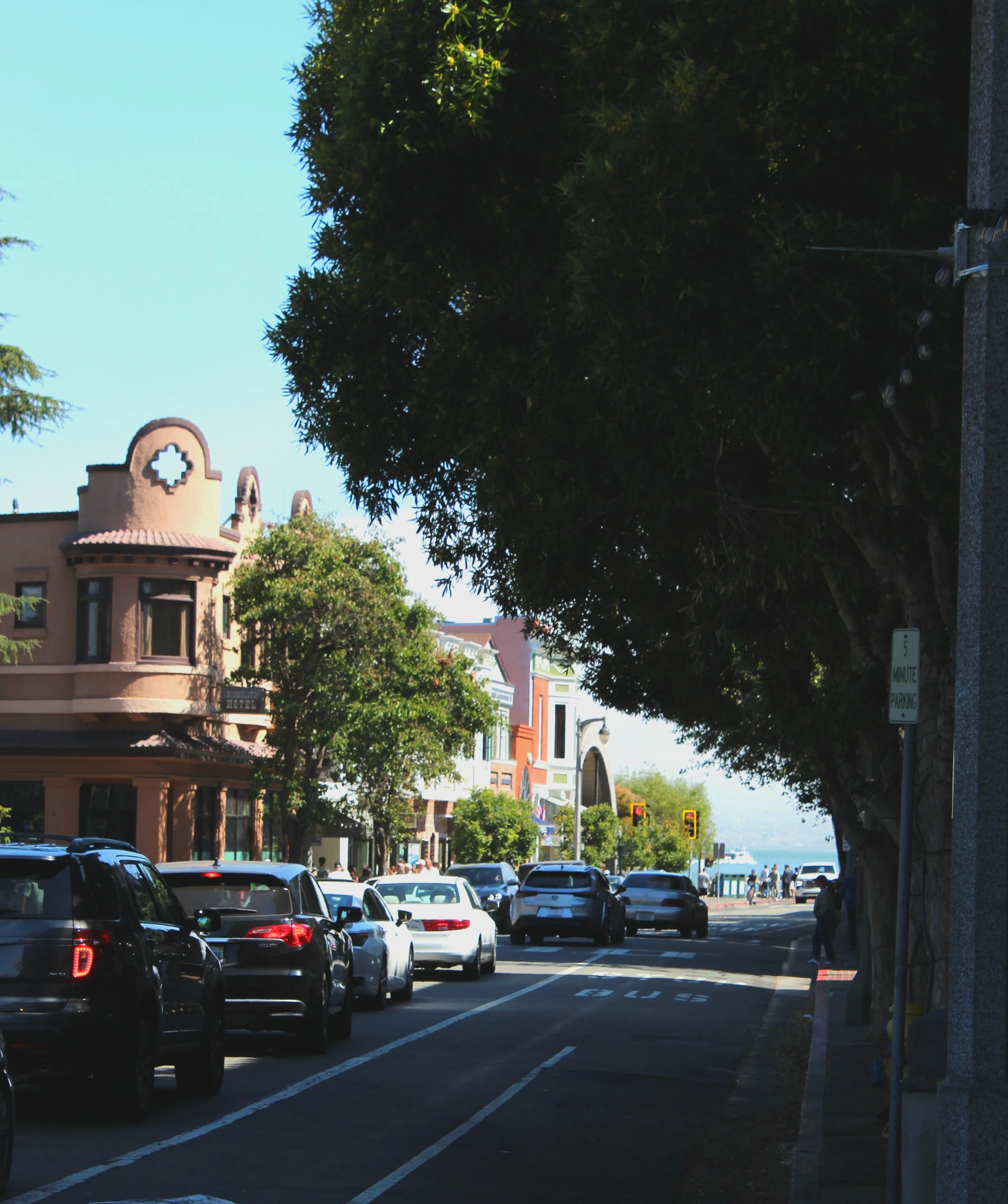
An instance of framing is in my traffic image, the tree and the building create a natural frame around the line of cars. (Also, the cars themselves create a leading line). Drawing the viewer's eyes as they focus on the car. When taking this image, I noticed how trees along the side of the road often create natural frames for images in the street, and that all I needed was a subject. Also, if any of you feel inspired or want a photo utilizing framing, I highly recommend using trees along the side of the road as a frame to capture anything on the street, such as cars, people, or street performers on crosswalks. In conclusion, Framing and the rule of thirds can give photos that final touch by guiding viewers toward what the photographer wants them to focus on.
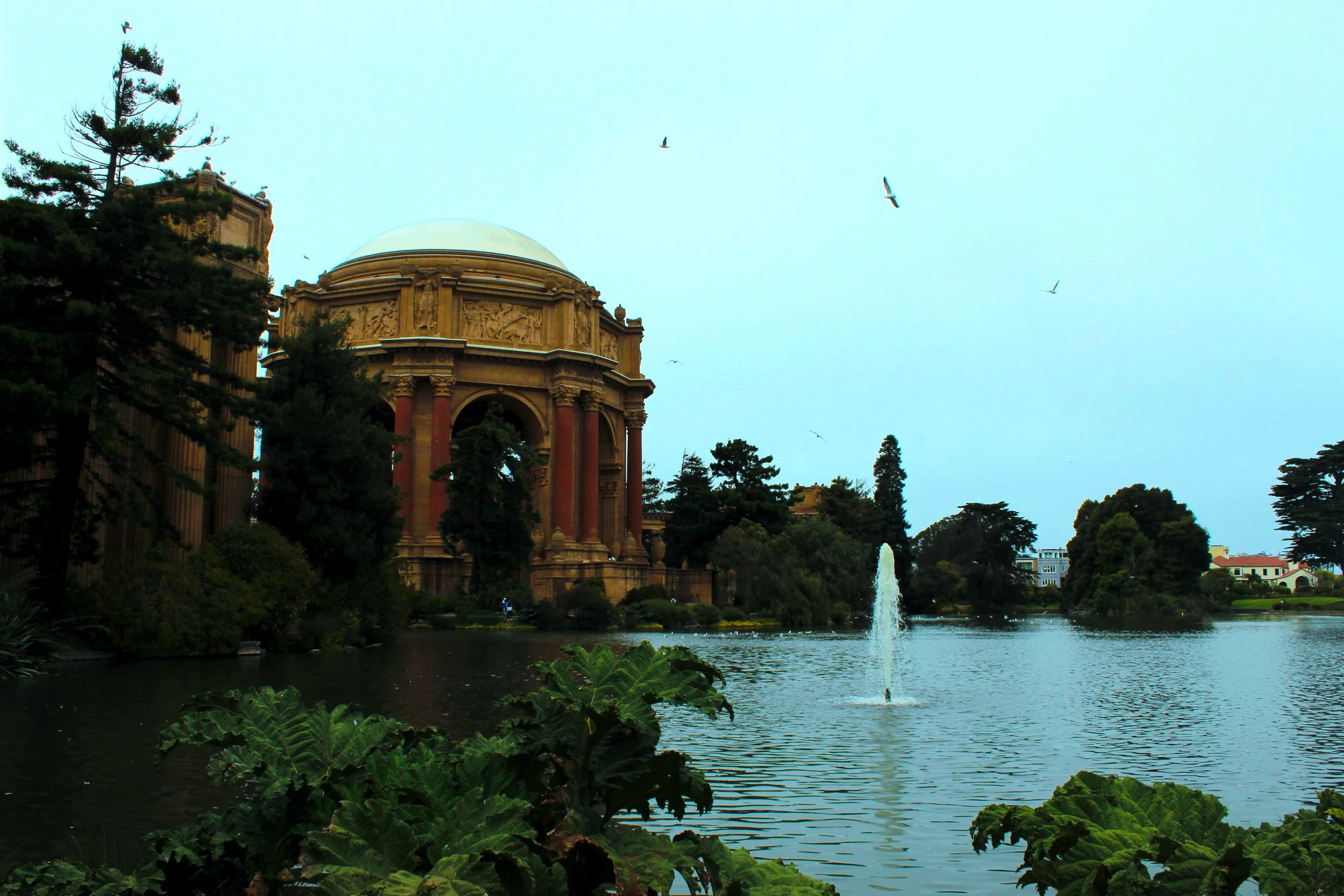
Palace of Fine Arts ,San Francisco